Dermatology · AI
Can a phone photo measure a rare skin disease?
Building a global image database and testing whether a smartphone picture can score disease severity as well as a dermatologist, across every skin tone.
Not a class about science. Not a resume filler. A doctor and research scientist mentors your child through one real study, every week, from reading their first paper to publishing one of their own. Start with a one-month trial, and get your deposit back if it isn't the right fit.

Admissions officers have read thousands of applications. They can tell the difference between a student who did real work and one who paid to have their name added to something. The sad part is that most ambitious students never get the real thing, and it usually comes down to three traps.
Real researchers are too busy to teach a teenager. So kids get handed busywork with no one actually guiding them.
Pay-to-publish journals and a week of shadowing look impressive to a parent and transparent to a reviewer.
They never learn to read a paper, design a study, or write one. So nothing carries into college or the rest of their career.
They join an actual medical study and carry it for months. Real stakes, real roadblocks, real learning.
A doctor and research scientist guides them on a call every week and critiques the work the way a real lab does.
From reading a paper to judging evidence, designing a study, handling data, and writing it up.
They stand up, explain their work, and answer hard questions. Confidence is a side effect.
They learn to draft and critique with AI, then check it against the evidence. Never blind trust.
The goal is a peer-reviewed paper and real conference abstracts, with your child's name on them.
If a week gets busy with school, nothing is lost. Every session is saved to rewatch.
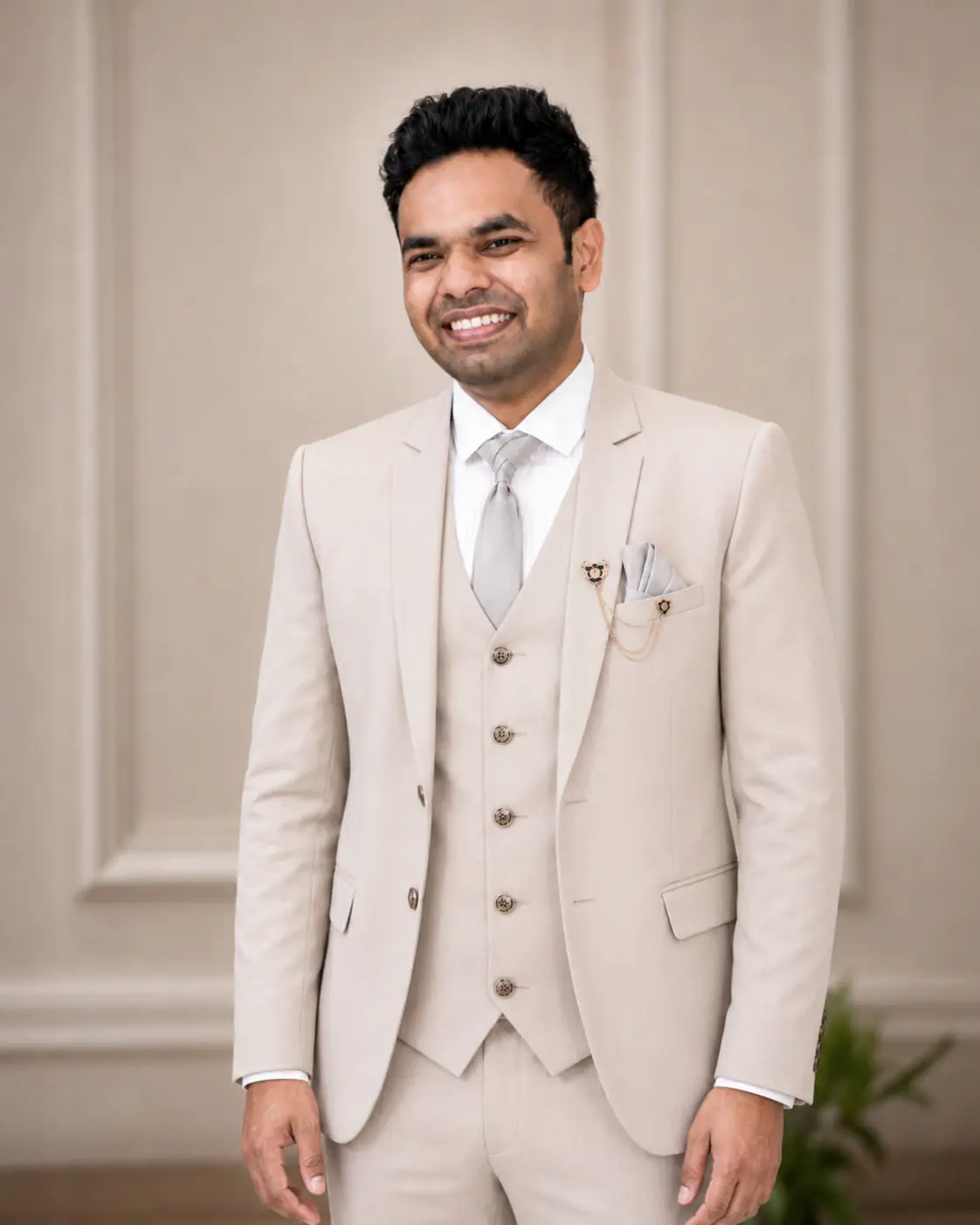
Kaushik Sreerama Reddy, MBBS
Chief Scientific Officer, USMLE Wise & CRIST · Director of Operations & Lead Investigator, MCTC · Published author
I'm Kaushik. I came from India and built a career in US medicine, and I teach research this way because I had to learn it the hard way first.
When I started, research felt like a closed door. The mentors were busy. The papers were impossible to read. Nobody explained how any of it actually worked.
A young scientist doesn't need more tasks. They need someone to show them the real process.
So I built the program I wish I'd had. Today I'm the chief scientific officer at USMLE Wise, and the director of operations and lead investigator with the Myositis Clinical Trials Consortium, an international research group centered at the University of Pittsburgh. I also lead the science on the CRIST team, with peer-reviewed papers of my own.
Every week, your child meets me and a small group on a live call. They own one real study. They present what they did, I push on it the way scientists push on each other, and they leave with a clear next step.
Then I watch it click. A student who couldn't get past the title of a paper in week one is writing one of their own by the end.
The research they learn to do is the same kind I do myself. That's the part that carries, long after the application is filed.
I run this personally. Not a team, not an assistant. If your child wants this, I'll get them there.
These are live projects that practicing doctors care about. Your child contributes to one of them or models their own on it.
Building a global image database and testing whether a smartphone picture can score disease severity as well as a dermatologist, across every skin tone.
A three-question screening tool for India's mass vaccination drives, tested on whether a parent or health worker actually understands it.
A phone-camera app that reads a simple sit-to-stand movement to track strength in patients with inflammatory muscle disease.
Designing a fair trial to find the honest answer, including how to run an experiment without fooling yourself.
Students take unusual cases and write them up to the same guidelines a journal like BMJ requires. It is one of the fastest routes to a first publication.
The fee covers your child's place, training, and mentorship for the program year. It does not, and cannot, buy a publication or a byline, because those are earned and reviewed independently. You start with a one-month trial and a deposit that comes back if it is not the right fit.
A year-long, mentored place on a live study.
Places are limited and offered after a fit conversation. Payment plans available on request.
A year of structured mentorship, training, and a genuine role on the study. It is tuition for the program, the way a serious research mentorship carries a fee.
It does not buy a publication, a conference acceptance, or authorship. Those depend on your child's work meeting the ICMJE standard and on peer review. Anyone guaranteeing a byline for a fee is selling something that would harm your child, not help them.
If your child presents at a meeting like IDWeek, registration and travel are separate and set by the organiser. Journal supplements such as OFID are open access. All are disclosed in advance and never a condition of authorship.
Start with a one-month trial. If it is not the right fit for your child, your deposit comes back. We would rather your family choose the right thing than regret the wrong one.
A real publication takes months. The students who start now walk in with that work already behind them. Talk to Kaushik directly: he'll be honest about your child's goals, their schedule, and whether real research is the right use of their time right now.
No pressure to enroll. Prefer email? support@usmlewise.com